
Learning with Purpose
The CISND Curriculum
At CISND, our curriculum combines the British Columbia Ministry of Education requirements with a Christ-centred approach to learning. Students receive a high-quality education that meets provincial standards while also growing in faith, character, and service.
In addition to the BC curriculum, students participate in Religious Education each year. Beyond religion classes, Catholic values are thoughtfully integrated across all areas of learning, encouraging students to see the connections between faith, knowledge, and everyday life.
All CISND schools exceed the Province's minimum instructional time requirement of 850 hours, providing students with meaningful opportunities to learn, grow, and succeed in a supportive learning environment.
The British Columbia curriculum is built around learning standards that outline what students should know, understand, and be able to do at each grade level and across subject areas. While all CISND schools follow these provincial requirements, we also enrich the learning experience through local programming and a faith-based perspective that reflects our Catholic mission.
Learn more about the BC Curriculum here.
Elementary and Middle Schools
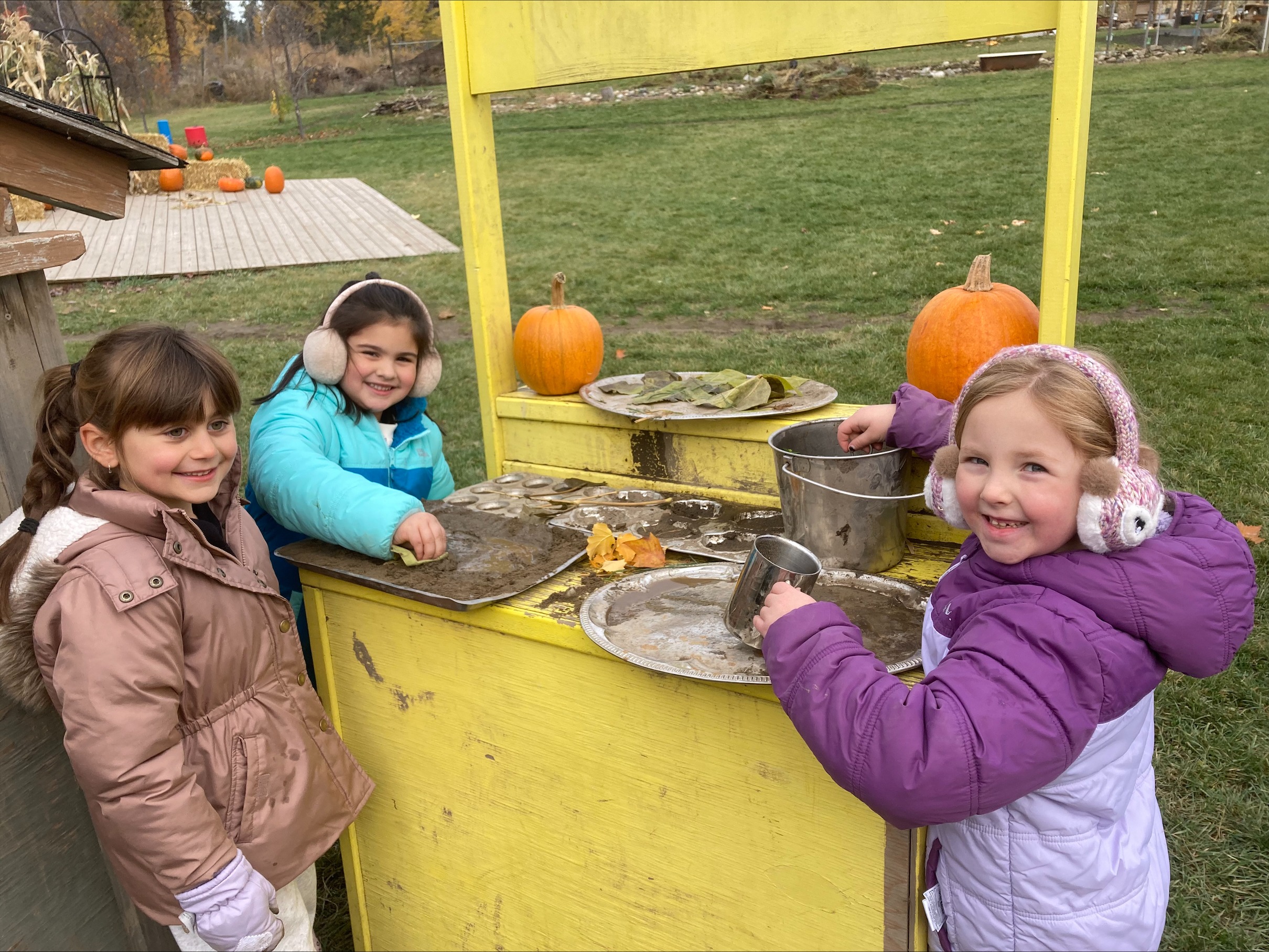
Elementary and middle school students at CISND receive more than 850 hours of instruction each year, following the British Columbia curriculum while learning in a faith-filled environment that supports the development of the whole child.
Students build knowledge, skills, and confidence through a well-rounded curriculum that includes:
English Language Arts
Social Studies
Mathematics
Science
Physical Education, along with Daily Physical Activity
Fine Arts
Kindergarten–Grade 7: Dance, Drama, Music, and Visual Arts
Grades 8–9: At least one Fine Arts course
Health and Career Education (HACE)
Second Language (Grades 5–8)
Applied Skills (Grades 8–9), including courses such as Technology Education, Information Education, Home Economics, or Business Education
Through this balanced approach, students develop the academic foundation, creativity, critical thinking, and personal skills they need to succeed in high school and beyond.
High School
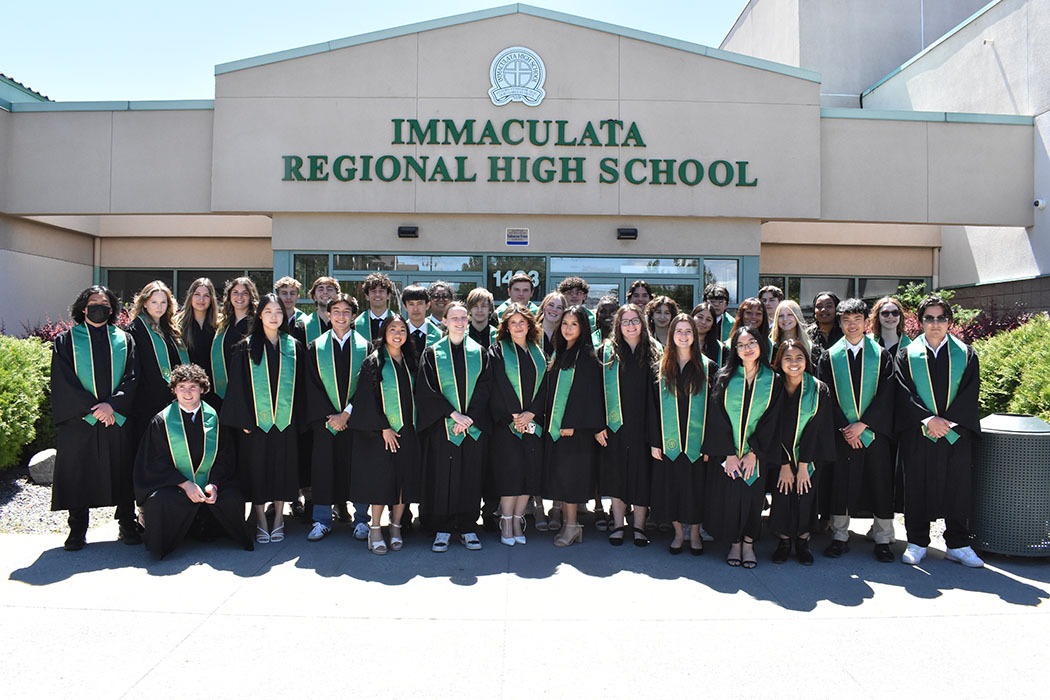
At the secondary level, CISND students complete the British Columbia graduation requirements while having the flexibility to explore courses that match their interests, strengths, and future goals. Alongside required courses, students can choose from a variety of electives that help prepare them for post-secondary education, careers, and lifelong learning.
To earn a British Columbia Dogwood Diploma, students must complete a minimum of 80 graduation credits, including at least 16 credits at the Grade 12 level. Graduation requirements include:
Language Arts – 12 credits
Social Studies – 8 credits
Science – 8 credits
Mathematics – 8 credits
Physical and Health Education – 4 credits
Fine Arts and/or Applied Design, Skills and Technologies – 4 credits
Career Education – 4 credits
Graduation Transitions/Career-Life Connections (as applicable under the current BC graduation program)
Through a balance of required courses, electives, and faith-based learning, CISND students graduate with the knowledge, skills, character, and confidence to succeed in post-secondary education, their careers, and lives of service.
Faith, Family Life & Student Opportunities
As part of our commitment to educating the whole person, all CISND students participate in Religious Education and Family Life, a diocesan requirement that helps students deepen their faith, strengthen their character, and build meaningful relationships rooted in Gospel values.
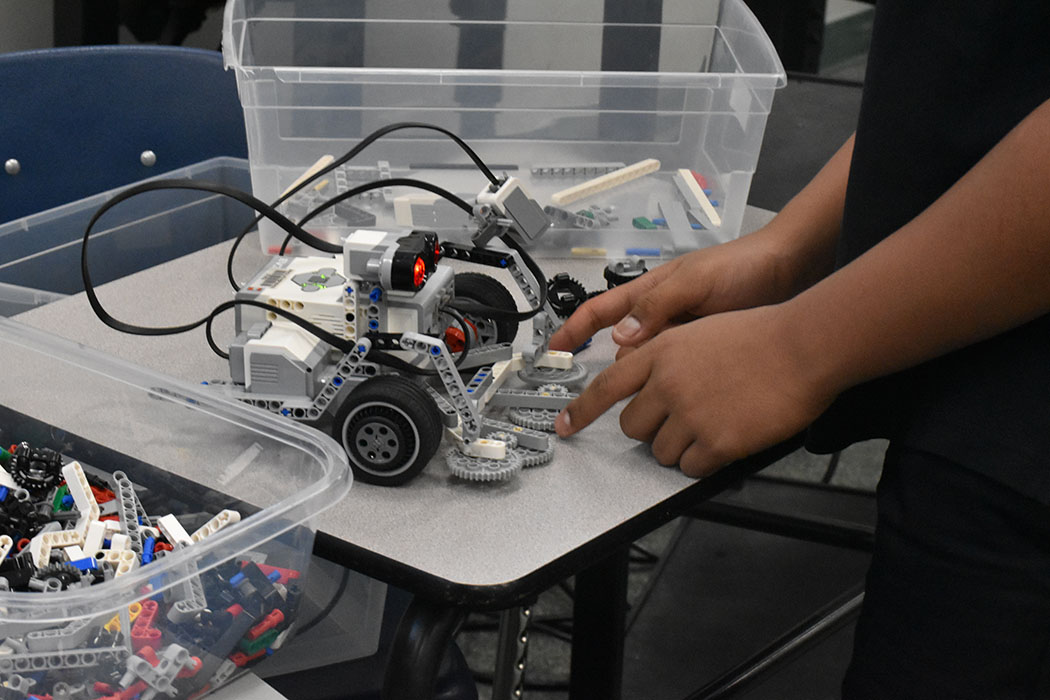
Learning extends well beyond the classroom. Our schools offer a variety of extracurricular activities that encourage students to discover their talents, develop leadership skills, build lasting friendships, and become active members of their school community.
Extracurricular opportunities may include:
Volleyball
Basketball
Track & Field
Cross-Country Running
Rugby
Choir
Drama
Science Fairs
Chess Club
Intramural Sports
Jazz and Concert Band
Extracurricular programs vary by school and are based on student interest and participation.